
In a crowded market, a strong brand identity helps a business stand out and form a lasting bond with customers. When many companies sell similar products and services, shoppers have plenty of choices. A business has to show what sets it apart, why it deserves trust and what value it offers.
Brand identity is far more than a handsome logo or a palette of colours. It is the personality of your business: how it looks, speaks, behaves and positions itself, and what values it stands for. Each customer interaction shapes how people recognise and remember you.
Startups, small firms and established companies all need careful planning and steady execution to build a distinctive identity. A professional Branding Agency in Trivandrum can help shape a clear brand strategy, keep visuals consistent and communicate your unique value to the right audience.
This blog covers practical ways to create a memorable identity and protect your competitive edge.
1. Understand Your Purpose and Values
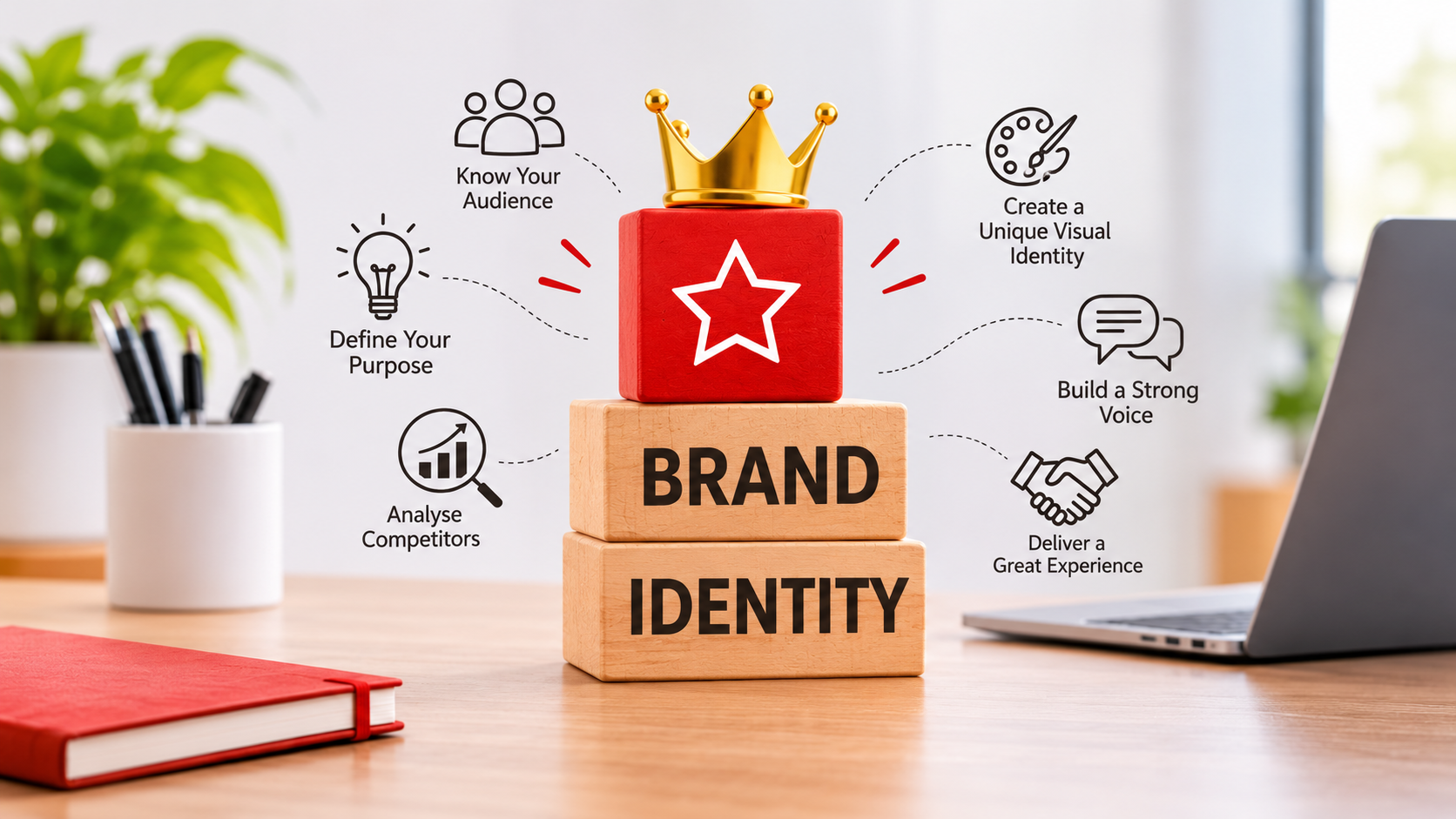
Building a unique identity begins with knowing what your business stands for. Before choosing logos, colours or slogans, pin down the purpose behind your brand. A strong brand says more than what it sells; it reflects a mission, values and a long-term vision. Ask yourself:
- Why does the business exist?
- Which problems does it solve?
- What makes its offerings different?
- What values should customers link to it?
- What reputation do you want to earn?
A company selling sustainable products might build its identity on responsibility and transparency, while a tech firm may centre on innovation, reliability and simplicity. Defining these points gives every later branding decision a solid base and keeps your message consistent across channels.
2. Research Your Target Audience
Even a beautiful brand struggles if its tone and positioning clash with customer expectations. Study your audience, including:
- Age and location
- Interests and lifestyle
- Buying habits and decision-making
- Challenges and expectations
- Preferred communication styles
- Factors influencing purchases
A brand aimed at young professionals might use modern visuals and short, digital-first messages, whereas one serving corporate clients may need a more formal look. Surveys, social media insights, website analytics and market research all reveal useful patterns. The goal is an identity that reflects your business while genuinely connecting with the people you want to reach.
3. Analyse Competitors and Find Your Position
In a crowded marketplace, knowing your rivals reveals where you can differentiate. Examine their:
- Logos and visual styles
- Messaging and tone
- Product positioning
- Marketing channels
- Customer reviews
- Strengths and weaknesses
The aim is not to copy what works for them but to spot where your brand can offer a different perspective or experience. If competitors compete mainly on price, you might stand out through personalised service, quality, convenience or specialist knowledge. That difference becomes your positioning and gives customers a clear reason to choose you.
4. Create a Memorable Visual Identity
Visuals are usually the first thing customers notice, and they should express your personality rather than chase passing trends. Key elements include:
- Logo: Simple, distinctive, adaptable and recognisable in any application.
- Colour palette: Colours shape perception, so choose shades that suit your personality and use them consistently.
- Typography: Well-chosen fonts improve readability and create a unified look.
- Graphic elements: Patterns, icons and illustrations build a recognisable visual language.
- Image style: Consistent photography, graphics and video keep websites, social media, ads and print materials aligned.
Your visual identity should hold up across screen sizes, backgrounds and formats.
5. Develop a Distinctive Voice and Message
Identity is also what people hear and read. Brand voice is the style you use on your website, social channels, ads, emails and customer conversations, and a consistent one makes you instantly familiar. For example:
- A luxury brand might sound refined and sophisticated
- A technology company might sound knowledgeable and direct
- A lifestyle brand might sound warm and conversational
- A professional service provider might sound clear and informative
Pair the voice with a strong message that explains what you offer, who you serve and why customers should pick you over alternatives. Skip complicated statements and generic hype, and highlight genuine strengths instead.
6. Stay Consistent on Every Platform
Customers may meet you through your website, social pages, ads, emails or printed materials. If your look and tone shift from one to the next, recognition suffers. Create brand guidelines covering:
- Approved logo versions and placement
- Primary and secondary colours
- Font hierarchy
- Image and graphic styles
- Tone and writing rules
- Social media templates
- Ad and promotional formats
A style guide keeps employees, designers, marketers and outside agencies aligned. Consistency doesn’t mean identical content everywhere; each platform can have its own format while sharing the same underlying identity.
7. Build a Strong Digital Brand Presence
Many buyers research brands online before they decide, so your digital footprint shapes perception. A solid strategy includes:
- Professional website: Clearly present your services, expertise, values and contact details.
- SEO: Help customers find you through relevant searches.
- Social media branding: Use consistent visuals and engaging posts to build familiarity.
- Content marketing: Blogs, videos and guides demonstrate expertise.
- Reputation management: Reviews, testimonials and thoughtful replies influence public opinion.
A Branding Agency in Trivandrum can support consistent visual communication and sharper digital positioning for businesses that want a recognisable online identity.
8. Deliver a Positive, Consistent Customer Experience
Marketing alone doesn’t create a memorable brand; the real experience customers have does. From the first enquiry to after-sales support, every touchpoint builds your reputation. Focus on:
- Prompt replies to enquiries
- Accurate product and service details
- Steady service quality
- Convenient purchasing
- Reliable after-sales support
- Professional handling of complaints
- Gathering and acting on feedback
A company that calls itself customer-focused must prove it through helpful, timely support. When promise and delivery match, customers trust you and come back.
9. Use Storytelling to Become Relatable
People connect with the stories behind businesses. Sharing your journey, purpose, challenges and values helps customers see what makes you different, beyond promotional messages. Ideas include:
- How the business began
- The inspiration behind a product
- Team members and their expertise
- Customer success stories
- Your mission and values
- The process behind your products or services
A startup might describe the customer problem it set out to solve, while a family business can share its history and guiding values. Authentic stories make a brand approachable and memorable.
10. Adapt to Changing Market Trends
Markets, technology, customer expectations and design tastes keep evolving, and a brand that stands still gradually loses relevance. Yet adapting doesn’t mean reinventing yourself with every trend. Review your branding regularly and consider:
- Refreshing outdated visuals
- Improving website design and function
- Trying new content formats
- Exploring emerging platforms
- Updating your messaging
- Adjusting positioning as markets shift
A refresh usually means small visual or messaging upgrades, while a full rebrand makes sense only when your direction, audience or market position changes significantly. Keep the core values customers already associate with you while staying current.
11. Measure Brand Performance and Perception
Check regularly whether your branding delivers results. Useful indicators:
- Awareness and audience reach
- Website traffic and branded searches
- Social media engagement
- Reviews and sentiment
- Repeat purchases and retention
- Enquiries and conversions
- Brand recognition surveys
A rise in branded searches, for example, suggests more people are looking for you by name. Customer feedback also shows whether your brand is seen the way you intended. These insights highlight what to improve and guide future decisions.
Why Choose Techsche for Professional Branding?
A distinctive brand takes creative thinking, market research, strategic positioning and consistent execution. A good logo isn’t enough; businesses need a complete identity that conveys their purpose and leaves a lasting impression.
Techsche helps businesses explore creative branding and digital marketing solutions aligned with their goals. By understanding each company’s personality, audience and competitive landscape, the agency develops branding approaches that communicate a clear, recognisable identity, from brand strategy and visual communication to digital marketing and creative development.
Working with a professional Branding Agency in Trivandrum can help you find your unique positioning, boost recognition and express your value more effectively.
Conclusion
Building a unique identity in a competitive market means understanding your values, your customers’ expectations and your market position. Everything from the logo and colours to communication style and customer experience shapes how people recognise and remember you.
Good branding isn’t just good design. It grows from consistent messaging, meaningful relationships, reliable experiences and a clearly stated value proposition. Businesses that invest in strategic branding earn stronger recognition, greater customer confidence and a more memorable place in their industries.
With the right planning and creative direction, Techsche can help you explore branding opportunities and establish a consistent identity that supports long-term growth.