
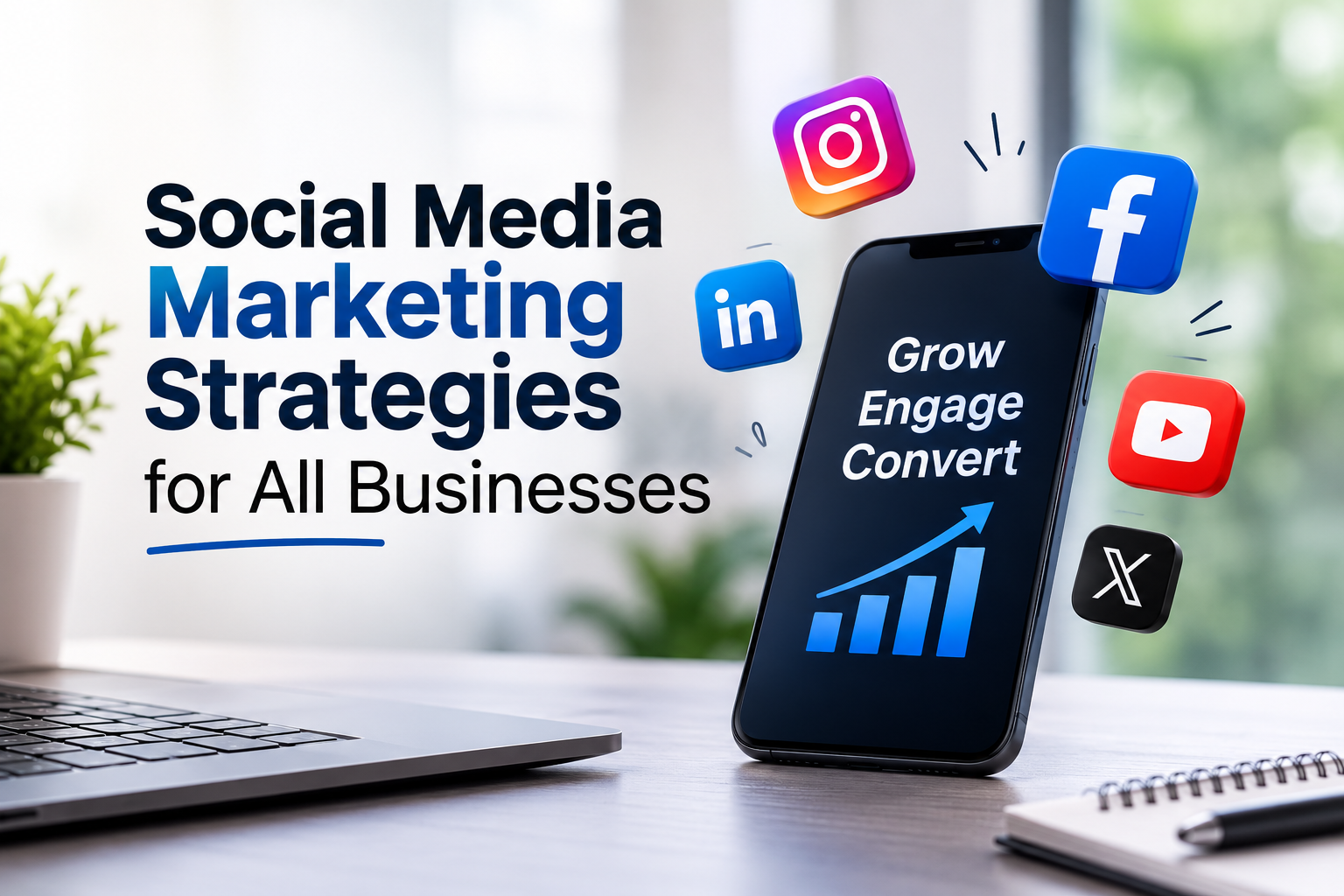
Social media is now one of the strongest channels for brands to reach customers, showcase products and build a name people remember. With millions of users on Instagram, Facebook, LinkedIn, YouTube and TikTok, businesses can speak directly to the people they want to serve.
Yet opening a few accounts and posting now and then rarely produces real growth. Companies need a plan built around audience interests, content quality, brand positioning and steady interaction. Success comes from knowing what customers expect and giving them content worth responding to.
Whether it is a local shop, a startup, a school or an established firm, any business can benefit from social media marketing when it is done well. Professional Social Media Marketing Services in Trivandrum can help businesses shape structured campaigns, improve online visibility and reach people on the right platforms.
Here are the strategies that can strengthen your digital presence and help you meet your marketing goals.
1. Understand Your Target Audience
Every strong social media plan starts with knowing your audience: who your customers are, what interests them and where they spend time online. Habits differ between groups. Younger users tend to watch Reels and Shorts, while professionals often turn to LinkedIn for industry news. Different audiences also respond to different tones, so what works for one group may fall flat with another. Before planning a campaign, look at:
- Age and location
- Interests and preferences
- Buying habits and needs
- Problems they want solved
- Platforms they use most
- Content formats they enjoy
With these insights, you can publish relevant posts instead of random promotions, which attracts attention and builds lasting relationships.
2. Choose the Right Platforms
No single platform suits every business, and spreading yourself across many without a plan wastes time and budget. Pick based on your offerings, audience and goals:
- Instagram: Ideal for visual storytelling in fashion, food, beauty, lifestyle and retail.
- Facebook: Good for community building, local offers, events and targeted ads.
- LinkedIn: Best for B2B firms, recruiters and professional services.
- YouTube: Great for tutorials, demos, interviews and longer brand stories.
- WhatsApp: Handy for direct updates, enquiries and customer support.
Rather than being everywhere, concentrate on the places where your customers are most active.
3. Build a Consistent Content Strategy
Each post, video, story and ad shapes how people see your brand. A clear content plan keeps your accounts active, relevant and true to your identity. Mix these content types:
- Educational: Tips, tutorials and industry insights
- Promotional: Products, offers and launches
- Entertaining: Relatable videos and creative trends
- Behind-the-scenes: Your team, processes and culture
- Customer-focused: Testimonials, FAQs and real experiences
Educational posts, in particular, position you as a helpful source rather than a pushy seller. A healthy balance stops your feed from sounding like one long advert. A content calendar helps you plan ahead, stay consistent and tie posts to seasons and key occasions.
4. Boost Engagement with Short-Form Video
Reels, Shorts and similar formats let brands share messages quickly and creatively. Movement, storytelling and demonstrations hold attention and present products in a lively way. Try these ideas:
- Quick product demos
- Before-and-after reveals
- Answers to common questions
- Customer testimonials
- Behind-the-scenes clips
- Industry tips
- Team and brand stories
The first few seconds matter most, so open with a question, a problem or a striking visual. Add clear messaging, readable captions and a relevant call to action. Publishing useful videos regularly improves engagement and discoverability.
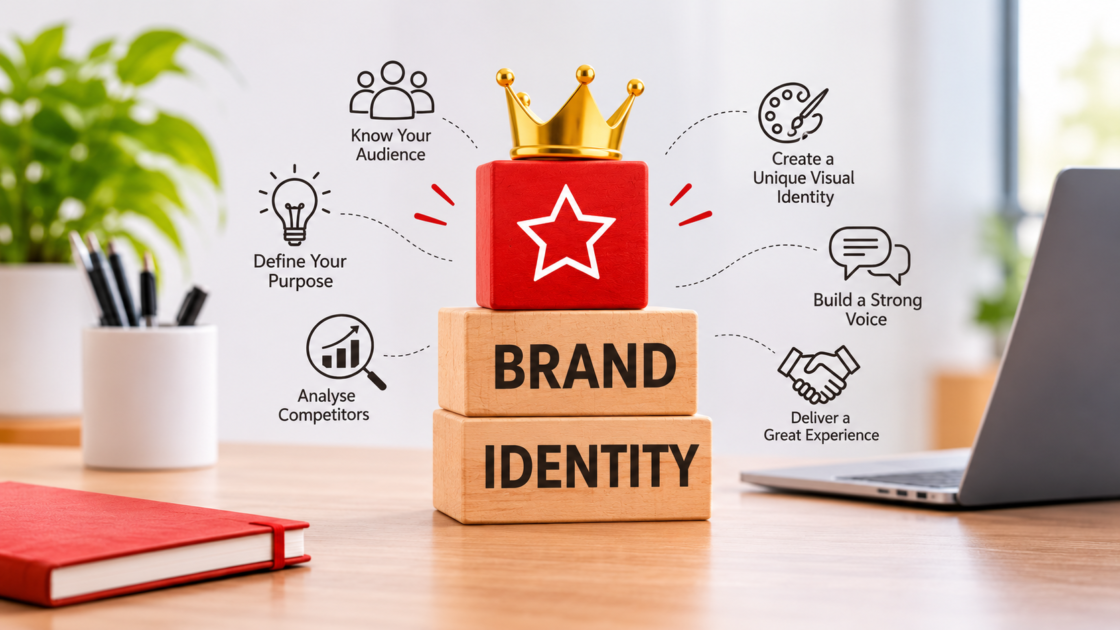
5. Maintain a Recognisable Brand Identity
Consistency helps people spot your brand on any platform. Mismatched colours, visuals and tone across accounts make your identity confusing. Set guidelines covering:
- Colours and typography
- Logo usage
- Photo and video style
- Tone of voice
- Caption formats
- Visual consistency across platforms
A premium fashion label might choose elegant photography and refined language, while a tech company may prefer modern graphics and informative posts. Familiar visuals and messages make it easier for customers to connect them with you, and over time this repetition builds trust.
6. Invest in Targeted Advertising
Organic posts nurture relationships with followers, but paid ads extend your reach to people who don’t yet follow you. Facebook, Instagram and LinkedIn let you target by location, interests, demographics and professional details, depending on the platform and campaign setup. Common campaign types include:
- Brand awareness: Introduce your business to new audiences
- Lead generation: Collect enquiries through forms or landing pages
- Traffic: Send users to your website or service pages
- Engagement: Encourage comments, shares and interaction
- Retargeting: Reconnect with people who interacted with you before
A bigger budget alone won’t guarantee success. Test different creatives, audiences, messages and landing pages while watching performance closely.
7. Collaborate with Influencers and Creators
Influencers introduce your offerings through people their followers already trust, using reviews, demonstrations and personal experiences instead of conventional promotion. Choose them for audience relevance, not follower count. Consider:
- Audience demographics and interests
- Content quality and style
- Authentic engagement
- Industry relevance
- Past brand partnerships
- Transparency in sponsored posts
Micro-influencers suit businesses targeting specific communities or areas, as their smaller, focused audiences often engage more meaningfully. Set clear goals and disclose sponsorships openly to protect customer trust.
8. Encourage Interaction and Build Communities
Social media should not be a one-way megaphone. It lets you hear customers, learn their opinions and grow a community around your brand. Replying to comments and messages, acknowledging feedback and joining relevant conversations make you more approachable. Ways to spark interaction:
- Polls and question stickers
- Interactive stories
- Feedback campaigns
- Contests and challenges
- Live Q&A sessions
- User-generated content campaigns
A restaurant could ask diners to post their favourite dishes, and a fashion brand could invite followers to share how they style their purchases. Such activities encourage participation and reveal what your audience prefers.
9. Measure Performance with Analytics
Regular posting does not guarantee success. You need to check whether your efforts support your goals, and most platforms offer insights into audience behaviour and content results. Key metrics:
- Reach: Unique accounts that saw your content
- Impressions: Total times your content appeared
- Engagement rate: Interaction level relative to a suitable base
- Click-through rate: Share of viewers who clicked a link
- Follower growth: Change in followers over time
- Conversions: Purchases, sign-ups and enquiries linked to campaigns
Judge these against your objectives. An awareness campaign may prioritise reach, while lead generation should focus on qualified enquiries and conversions. Regular review reveals which formats work and sharpens future advertising decisions.
10. Optimise Your Profiles for Discoverability
A well-organised profile tells visitors what you offer and how to reach you. Make sure yours includes:
- A clear business name and profile image
- A concise, informative bio
- Relevant industry keywords
- Website and contact links
- Accurate business details
- Location, where applicable
- Highlights for key products or services
Keywords in bios and posts can also help you appear in platform searches. Local businesses should keep details consistent across social profiles and other online listings to support recognition and confidence.
11. Follow Trends Without Losing Authenticity
Trending audio, popular formats, seasonal topics and challenges can help you reach new viewers and join live conversations. But not every trend deserves a response. Ask whether it fits your identity, audience expectations and goals first. A tech company might use a viral format to explain a handy digital concept, while a fashion label adapts the same format to preview a new collection. Adapt relevant trends creatively and keep your own voice.
Why Choose Techsche for Social Media Marketing?
Building a strong social presence takes creativity, planning, platform expertise and ongoing evaluation. Attractive posts are not enough; strategies must deliver measurable results.
Techsche helps businesses explore digital opportunities through thoughtful planning and creative communication. By studying each brand’s identity, audience and goals, the agency develops social media strategies that support visibility and engagement, from content planning and creative production to campaign management and performance review. With a focus on creativity, consistency and audience-oriented thinking, Techsche aims to help businesses use digital opportunities more effectively.
Choosing professional Social Media Marketing Services in Trivandrum can help your business run campaigns that reach relevant audiences, express your value and open the door to growth.
Conclusion
Social media marketing is no longer reserved for big brands with large budgets. Businesses of every size can use these platforms to present their services, talk with customers, build awareness and generate new opportunities.
Results, though, depend on a clear strategy: knowing your audience, picking suitable platforms, creating valuable content, running targeted ads, partnering with relevant creators and analysing performance. Businesses that stay consistent and purposeful build stronger audience relationships and a recognisable digital identity.
Work with Techsche to explore professional social media strategies and a more structured path to online growth.